
By Alfonso Ruvalcaba Tujillo, WISHTV
NDIANAPOLIS (WISH) — Innovative Hematology, a specialized practice in Indianapolis, is working to raise awareness of bleeding, clotting, and blood disorders that often go undiagnosed in women across all stages of life.
Through its GO+ Women’s Clinic, the organization aims to reduce delays in diagnosis and help women recognize symptoms that are frequently dismissed as normal.
The clinic integrates hematology and OB/GYN care to support patients dealing with conditions such as heavy menstrual bleeding, iron deficiency, pregnancy-related concerns, hormonal changes, and reproductive health issues.
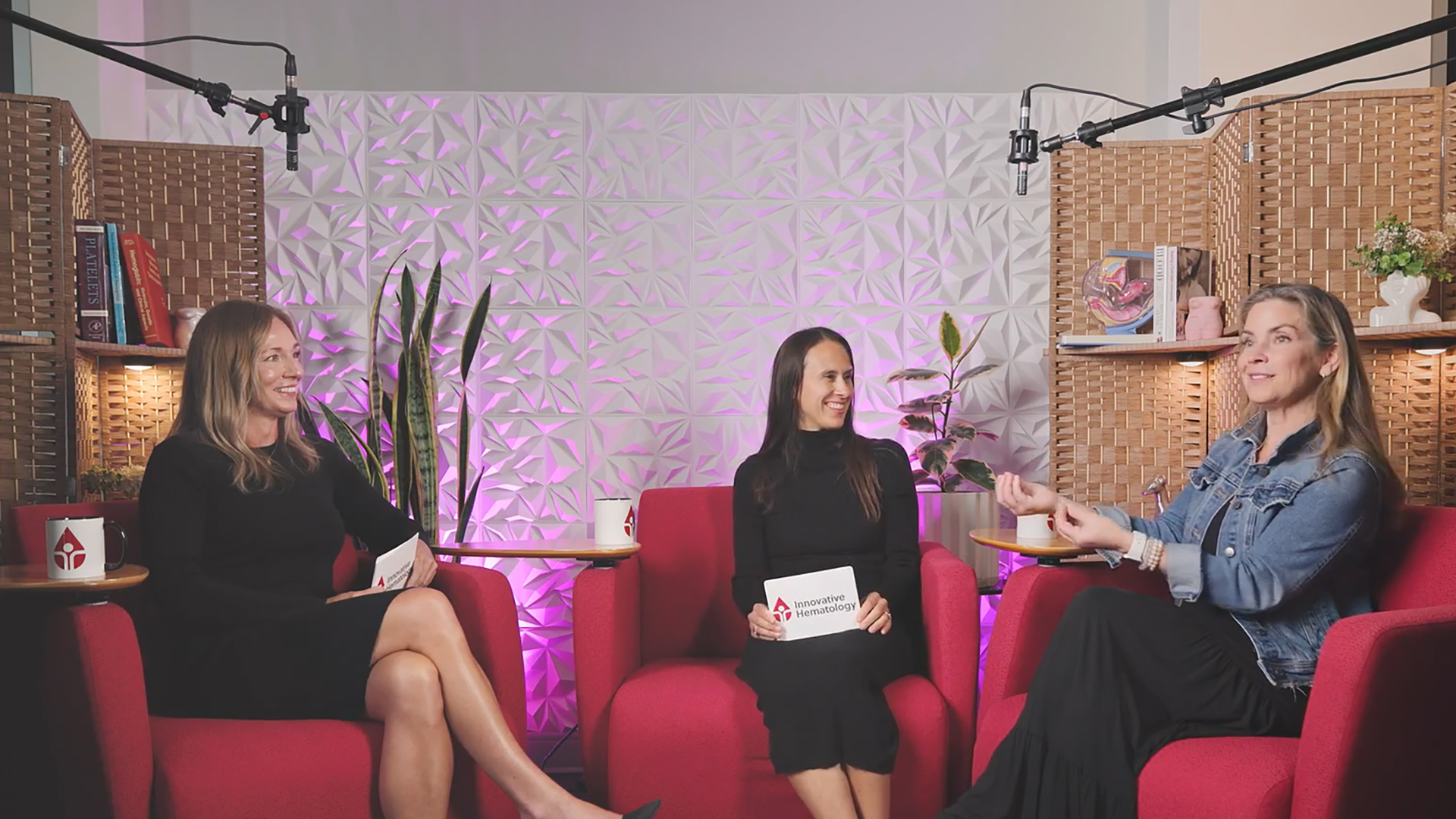
The team recently launched “We Bleed Too,” a video podcast series designed to make education on women’s bleeding disorders more accessible.
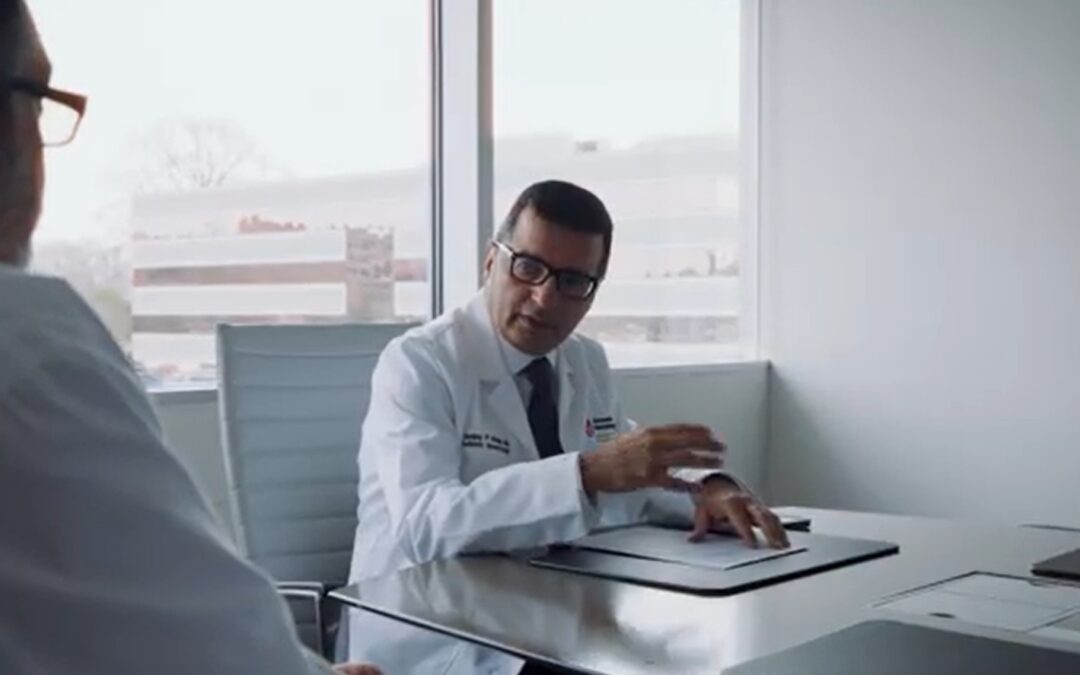
Dr. Magdalena Lewandowska, a hematologist with Innovative Hematology, said research shows significant delays in diagnosing bleeding disorders in women.
“Recent studies show significant delays in diagnosing women with bleeding disorders,” she said. “Up to half of women experience delays of more than 10 years between the onset of symptoms and receiving a diagnosis.”
She also noted that heavy menstrual bleeding is often misunderstood and that women’s symptoms are not always taken seriously in medical settings.
Dr. Hilary Gaudreau, an OB/GYN with the clinic, said many patients assume their menstrual bleeding is normal because similar patterns are seen among family members.
“They make that assumption for a lot of reasons, but one is that it occurs in private within the family,” she said. “If their family lineage—if their mother, grandmother, aunts or sisters—has similar bleeding, it can look like, feel like, and be judged as normal.”
To help identify abnormal bleeding, Gaudreau referenced the “seven-two-one” rule: bleeding is considered abnormal if periods last seven days or longer, if sanitary products are changed more than two times in two hours, or if clots larger than a quarter are passed.
Janey Van Liew, a registered nurse, said education is critical in helping patients recognize abnormal bleeding. She said many women have been told that heavy bleeding is simply part of being a woman, which can discourage them from seeking care.
“Advocating for patients and educating them about what abnormal bleeding actually looks like is important,” Van Liew said. “It’s also important that patients feel heard and understand how those symptoms can affect their lives when they go untreated.”
The “We Bleed Too” podcast features Lewandowska, Gaudreau, and Van Liew discussing topics including menstruation, PMS, pregnancy, menopause, and iron deficiency.
Lewandowska also referenced the proposed Fostering Effective Diagnosis and Treatment in Underserved Populations (FEDUP) Act, which is currently before Congress. The legislation aims to reduce diagnostic delays and improve patient outcomes, particularly for women.
For more information, visit www.innovativehematology.org. Follow Innovative Hematology on Facebook at facebook.com/InnovativeHematology and on Instagram at instagram.com/innovativehematology.
Source: WISHTV